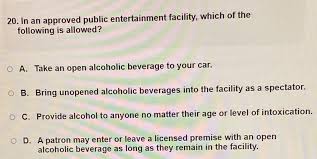
Walking into a busy nightclub, a packed cinema, or a live concert venue feels magical. The lights, the sound, the energy—it all works like clockwork. But behind that smooth experience lies a strict set of rules. If you manage, own, or even just visit such places, you have likely asked yourself: In an approved public entertainment facility which of the following is allowed?
This question is not just trivia. It is the difference between a successful event and a shutdown by local authorities. Whether you are a venue manager, an event planner, or a curious guest, understanding these rules keeps everyone safe and compliant.
In this guide, we will break down exactly what is permitted inside approved facilities. We will cover alcohol service, dancing, seating, age limits, ticket sales, and safety protocols. By the end, you will have a clear mental checklist to apply in any public entertainment setting.
Let’s dive in.
What Does “Approved Public Entertainment Facility” Actually Mean?
Before we answer in an approved public entertainment facility which of the following is allowed, we need to define the term.
An “approved public entertainment facility” is any venue that has received a formal license or permit from a local governing body (city, county, or state) to host entertainment for the public. This includes:
- Nightclubs and dance halls
- Theaters and cinemas
- Concert arenas and stadiums
- Comedy clubs and live music venues
- Amusement parks with stage performances
- Banquet halls used for public parties
“Approved” means the facility has passed inspections for fire safety, building codes, crowd management, and health regulations. Without approval, the facility cannot legally operate.
So, what happens once approval is granted? Let’s explore the specific allowances.
Core Activities That Are Allowed in Approved Facilities
When someone asks in an approved public entertainment facility which of the following is allowed, they usually want a clear yes/no list. Below are the standard permitted activities.
1. Amplified Music and Live Performances
Yes, amplified music is allowed—but with limits. An approved facility can host bands, DJs, and singers using microphones, speakers, and subwoofers. However, most approvals come with a decibel cap. For example, a venue might be allowed 95 dB during peak hours but must reduce to 75 dB after 11 PM.
Example: A downtown nightclub received noise complaints. Because it was an approved facility, it could still play amplified music until 1 AM, provided it used a sound limiter device.
2. Dancing by Patrons
Dancing is a primary form of entertainment in many venues. In an approved public entertainment facility, dancing is generally allowed unless the approval specifically prohibits it. Some older licenses (issued before 2000) may have “no dancing” clauses due to nuisance laws, but modern approvals almost always permit dancing on designated floors.
Tip: If your facility allows dancing, you must maintain a clear, slip-resistant surface and ensure emergency exits are never blocked by dancers.
3. Sale and Service of Alcoholic Beverages
This is a big one. Many people assume that if a venue is approved for entertainment, alcohol is automatically allowed. That is false. Alcohol service requires a separate liquor license. However, in an approved public entertainment facility which of the following is allowed regarding alcohol? You are allowed to sell alcohol if you hold both an entertainment permit and a liquor license.
Once both are obtained, you can:
- Serve beer, wine, and spirits
- Operate a bar area separate from the stage
- Offer drink specials during performances
- Hire bartenders and servers
Real-life use case: A comedy club in Texas had its entertainment approval but forgot to renew its liquor license. During a surprise inspection, they were fined $2,000 for serving beer. The entertainment approval alone did not cover alcohol.
4. Selling Tickets for Admission
Yes, approved facilities can sell tickets at the door or online. There is no restriction on charging admission, provided the facility complies with tax laws and posts clear pricing. You can also offer VIP areas, reserved seating, and early entry—all within the rules.
5. Operating Past Midnight
Many entertainment facilities stay open late. Approval typically includes an operating hours clause. For instance, a venue might be allowed to operate until 2 AM on weekends and midnight on weekdays. In an approved public entertainment facility which of the following is allowed after 1 AM? Usually, low-volume music, no new entry, and alcohol sales stopping 30 minutes before close.
What Is Strictly Not Allowed (Even in Approved Facilities)
Just as important as knowing what is allowed is knowing what crosses the line. Even with full approval, the following activities are forbidden in virtually every jurisdiction.
❌ Smoking Inside the Venue
Nearly all approved public entertainment facilities are smoke-free indoors. This includes cigarettes, e-cigarettes, and vaping devices. Some venues may have an outdoor, ventilated smoking area, but indoor smoking is a direct violation of health codes.
❌ Overcrowding Beyond Issued Capacity
The approval document lists a maximum occupancy (e.g., 300 persons). You are not allowed to exceed that number. Fire marshals conduct random checks. If they count 320 people in a 300-capacity room, the facility can be shut down immediately.
Example: A popular hip-hop club in Atlanta was forced to close for 10 days after a fire marshal found 450 patrons inside a 350-capacity approved facility. The fine exceeded $10,000.
❌ Unsupervised Minors After Curfew
If the facility serves alcohol after 10 PM, minors (under 21 in the US) are generally not allowed unless accompanied by a parent. Some all-ages venues are approved, but they must have a separate section for minors without alcohol access.
❌ Blocked Emergency Exits
Under no circumstances are exits allowed to be locked, blocked by chairs, or hidden by curtains. This is non-negotiable. Inspectors will check exit paths during any visit.
Comparing Approval Types: What Changes Between Venues?
Not all approvals are identical. A small theater has different rules than a massive stadium. Let’s break down in an approved public entertainment facility which of the following is allowed based on venue type.
| Activity | Nightclub | Live Theater | Concert Arena | Amusement Park |
|---|---|---|---|---|
| Amplified music | Yes (until 2 AM) | Yes (stage only) | Yes (any hours) | Yes (daytime only) |
| Dancing | Yes | No (audience seated) | Yes (floor seats) | No |
| Alcohol sales | Yes (with license) | Yes (lobby only) | Yes (concession stands) | Sometimes |
| Standing room | Limited | No | Yes (GA floor) | No |
| Minors allowed | No after 10 PM | Yes (with guardian) | Yes (all ages) | Yes (all ages) |
This table shows that the answer to in an approved public entertainment facility which of the following is allowed changes based on the facility’s classification. Always check your specific permit.
Safety and Compliance Checklist for Operators
If you run an approved facility, use this checklist to stay legal:
- Post your maximum occupancy sign at every entrance.
- Keep all exit doors unlocked and illuminated during operating hours.
- Train staff to count patrons using clickers or digital counters.
- Have a written emergency evacuation plan.
- Renew your entertainment permit annually (or as required).
- Never serve alcohol to visibly intoxicated persons.
- Maintain a noise log if you are near residential areas.
Following these steps ensures that when an inspector asks in an approved public entertainment facility which of the following is allowed, you can answer with confidence.
5 Common Myths About Approved Public Entertainment Facilities
Let’s clear up confusion. These myths get venue owners into trouble.
Myth 1: “Approval means I can do anything.”
Fact: Approval is a baseline. You still need separate permits for alcohol, food handling, and signage.
Myth 2: “If I have seats, I don’t need a dance permit.”
Fact: Some jurisdictions require a specific dance hall license even if chairs are present. Check local laws.
Myth 3: “Private parties are exempt from approval rules.”
Fact: If the public is invited or tickets are sold, the facility must follow all approval conditions.
Myth 4: “Security guards are optional.”
Fact: Many approvals require a minimum number of licensed security personnel based on capacity.
Myth 5: “Fire codes only apply during concerts.”
Fact: Fire codes apply every second the facility is open—even during rehearsals or private rentals.
Real-Life Case Study: How One Venue Got It Right
The “Blue Note Lounge” in Chicago applied for and received approval as a public entertainment facility. The owners asked their lawyer: In an approved public entertainment facility which of the following is allowed regarding outdoor seating and music?
The lawyer explained that outdoor amplified music required a separate sound permit. So, the Blue Note kept all amplified music indoors. They allowed dancing only on their reinforced hardwood floor. They installed automatic exit signs with battery backup. And they hired two off-duty police officers for Friday and Saturday nights.
Result? The Blue Note has operated for six years without a single violation. Their insurance premiums are 20% lower than similar venues. And patrons love the safe, well-managed environment.
Frequently Asked Questions (FAQ)
Q1: In an approved public entertainment facility which of the following is allowed: selling tickets at a higher price for VIP access?
Answer: Yes, variable ticket pricing is allowed. You may sell general admission and VIP tickets at different prices. However, you must clearly state what VIP includes (e.g., better view, separate bar). Deceptive pricing is illegal even in approved facilities.
Q2: Can I bring my own alcohol to an approved public entertainment facility?
Answer: Generally, no. In an approved public entertainment facility which of the following is allowed regarding outside beverages? Only facility-purchased alcohol is permitted. BYOB (bring your own bottle) is typically prohibited unless the facility has a specific BYOB endorsement, which is rare for entertainment venues.
Q3: Are laser lights and fog machines allowed?
Answer: Yes, but with restrictions. Lasers cannot point directly at the audience (eye safety). Fog machines must use non-toxic, water-based fluid and cannot obscure exit signs. Some approvals require a written special effects permit.
Q4: What happens if I violate the rules of my approval?
Answer: Consequences range from a warning to immediate closure. Common penalties include fines (500to10,000), suspension of the entertainment permit for 30–90 days, or permanent revocation. Repeat violators may face criminal charges.
Q5: How do I check if a facility is truly “approved”?
Answer: Ask to see their public entertainment license posted on the wall (usually near the main entrance or cash register). You can also call your local city clerk’s office or fire marshal. They maintain a public list of approved facilities.
Strong Conclusion: Know the Rules, Stay Safe, Have Fun
Understanding in an approved public entertainment facility which of the following is allowed is not just for lawyers or police. It matters to every DJ, every bartender, every venue owner, and every guest who wants a good time without emergencies.
To summarize:
- Allowed: Amplified music, dancing, alcohol (with license), ticket sales, and late hours (within limits).
- Not allowed: Smoking indoors, overcrowding, blocked exits, unsupervised minors after curfew.
- Always check: Your specific permit conditions vary by city, venue type, and capacity.
If you manage a facility, post your rules clearly and train your staff monthly. If you are a guest, respect the venue’s limits—they exist to protect you.
Now you have the answer. Go enjoy entertainment safely, and never hesitate to ask: In an approved public entertainment facility which of the following is allowed? You already know.